Materials
A Textile Artist’s Materials: Thread, Fabric, Steel and Concrete
My practice moves between textile, drawing and sculpture, but certain materials continue to return. Thread, fabric, wire, steel and concrete occupy different physical and historical positions, yet I am interested in what happens when they are brought into relation with one another.
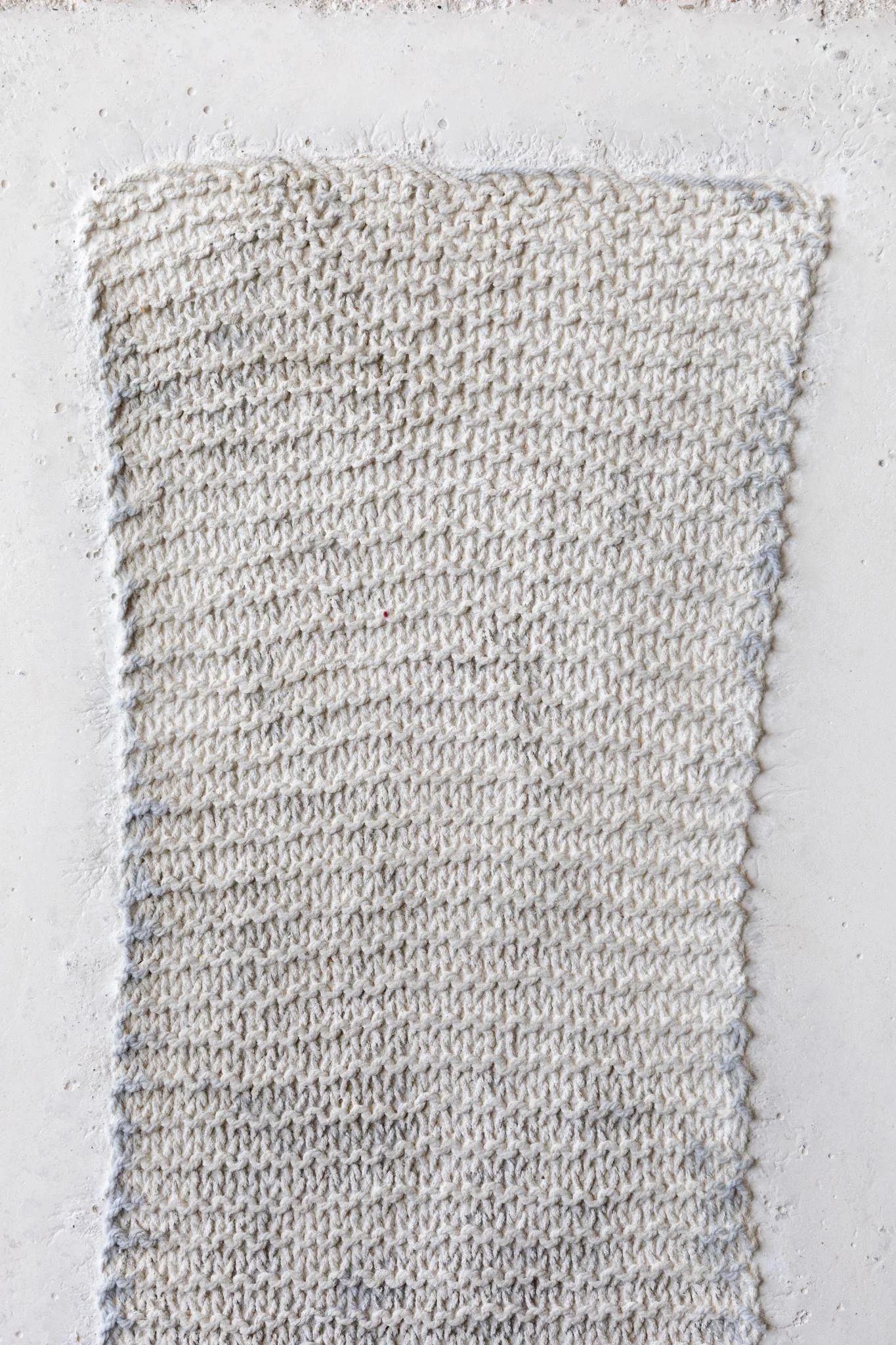
Thread has a particular physical language. It can connect, bind, trace, repair and construct. A single thread is fragile, but repetition gives it structure. Stitch by stitch, a surface can become dense; a gesture that initially appears small can accumulate into something substantial. This relationship between the individual action and the larger structure is one that continues to interest me.
Steel and concrete introduce a different kind of physical presence. They belong to architectural and industrial environments and carry associations of weight, permanence and construction. When these materials enter a practice rooted in textile, they create a tension between different material histories. Rather than treating softness and solidity as opposites, I am interested in allowing them to coexist.
The materials I work with therefore carry histories before I begin working with them. A piece of textile can evoke domestic space, inherited knowledge and manual labour. Steel can suggest construction, industry and structural force. Concrete can appear architectural and immovable. Bringing these materials together allows those associations to meet without necessarily resolving them.
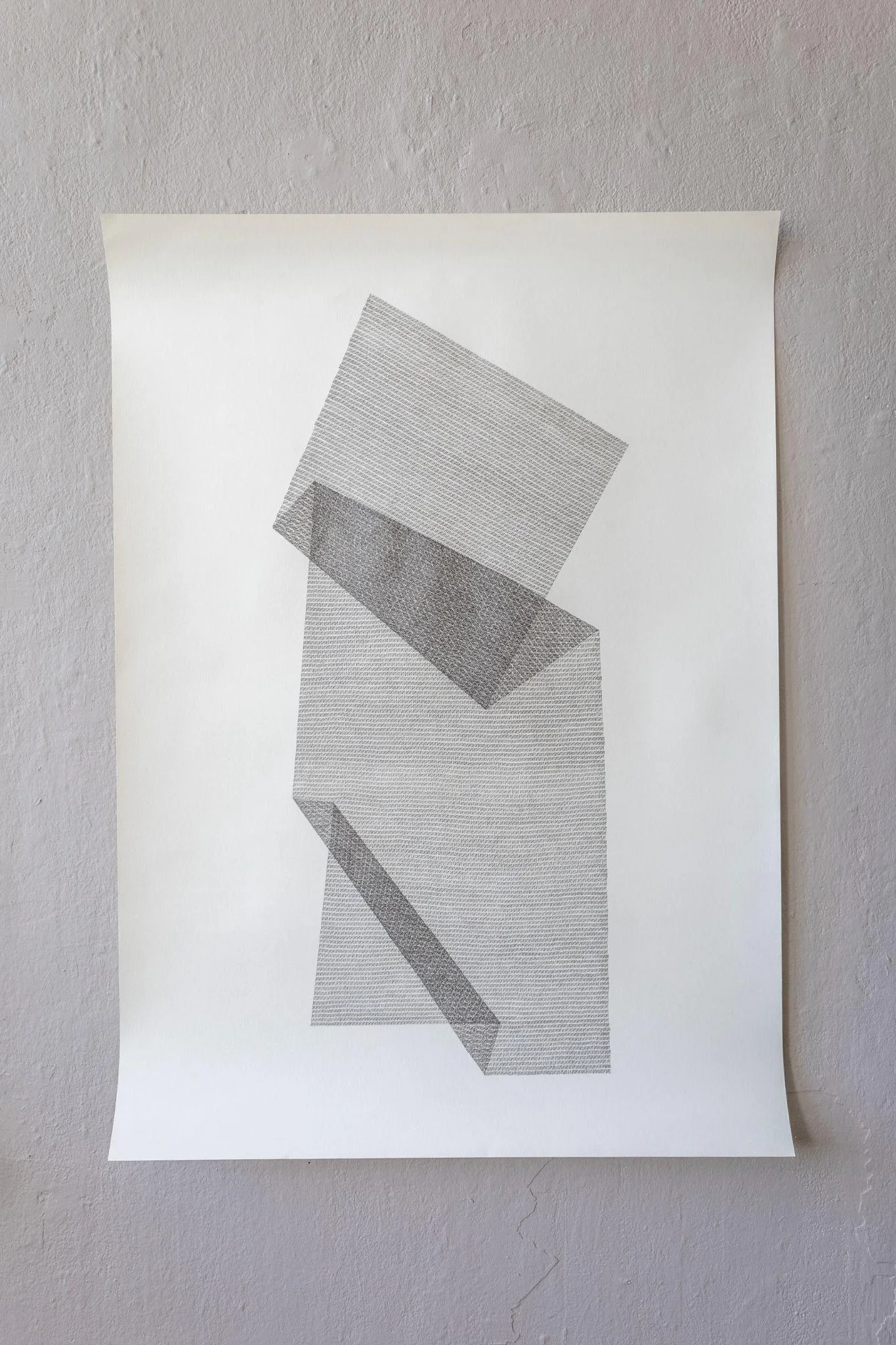
I am also interested in the physical transformation that takes place through making. Textile can be stretched, folded, stitched, accumulated or translated into another form. Drawing can become a way of tracing or constructing. Sculpture introduces volume, weight and space. Moving between these forms allows a material to change its role while retaining something of its original identity.
The return to particular materials is therefore not accidental. They form part of an ongoing vocabulary within my practice. Each carries its own history, but each can also be displaced from that history and understood differently through another material.
For me, material is never simply a means of producing an image or an object. It is part of the subject itself. The histories attached to a material, the labour required to transform it, and the traces left by the process all remain present in the finished work.
That is why I continue to return to these materials. Not because they have a fixed meaning, but because they allow different meanings to come into contact.