Research
Weaving, Myth and Voice: Arachne and Philomela in My Practice
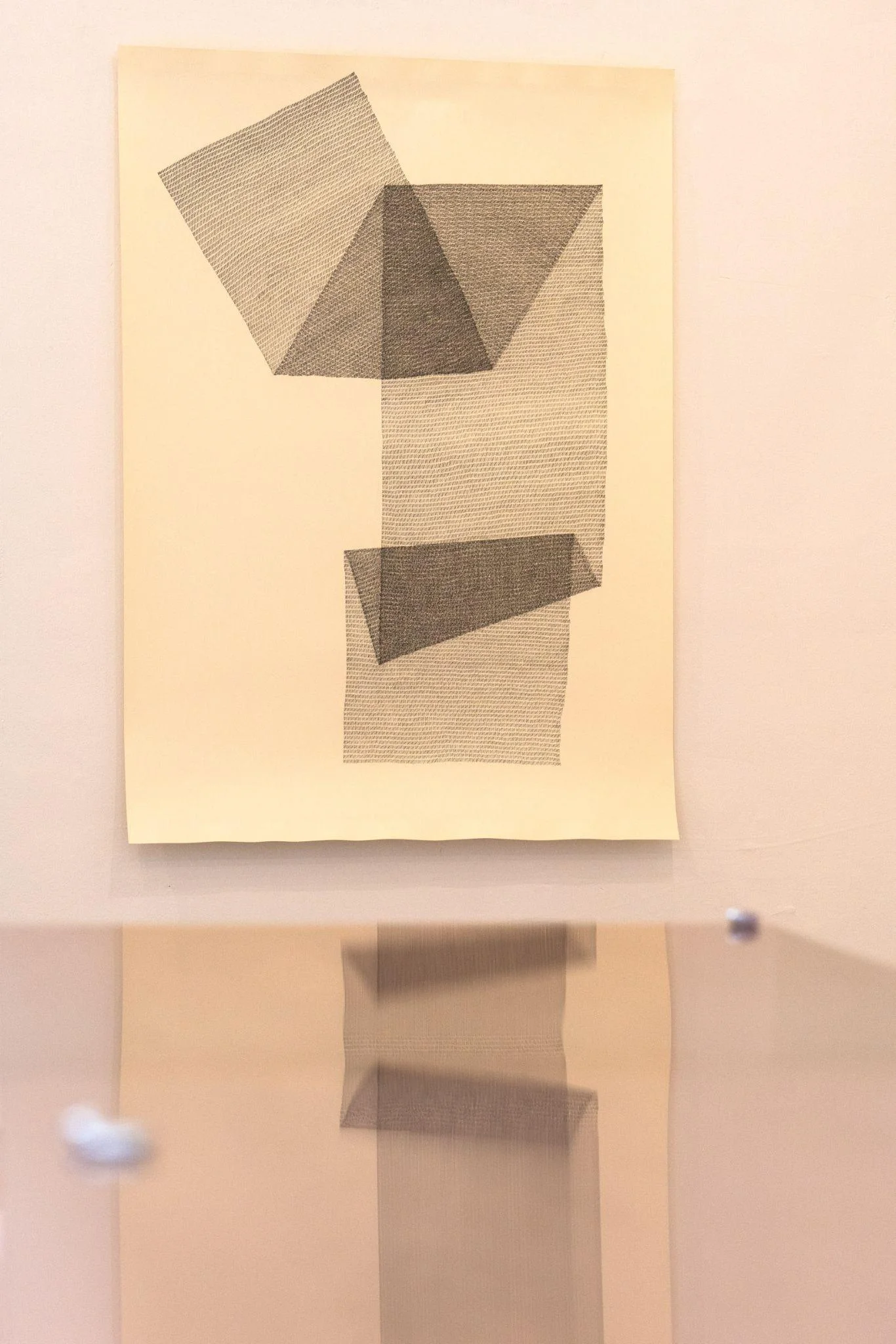
Mythology entered my practice through textiles. While researching the histories and meanings attached to textile-making, I became interested in stories in which women use weaving, embroidery or other forms of textile production to communicate, create, challenge authority or survive circumstances in which their voices have been restricted.
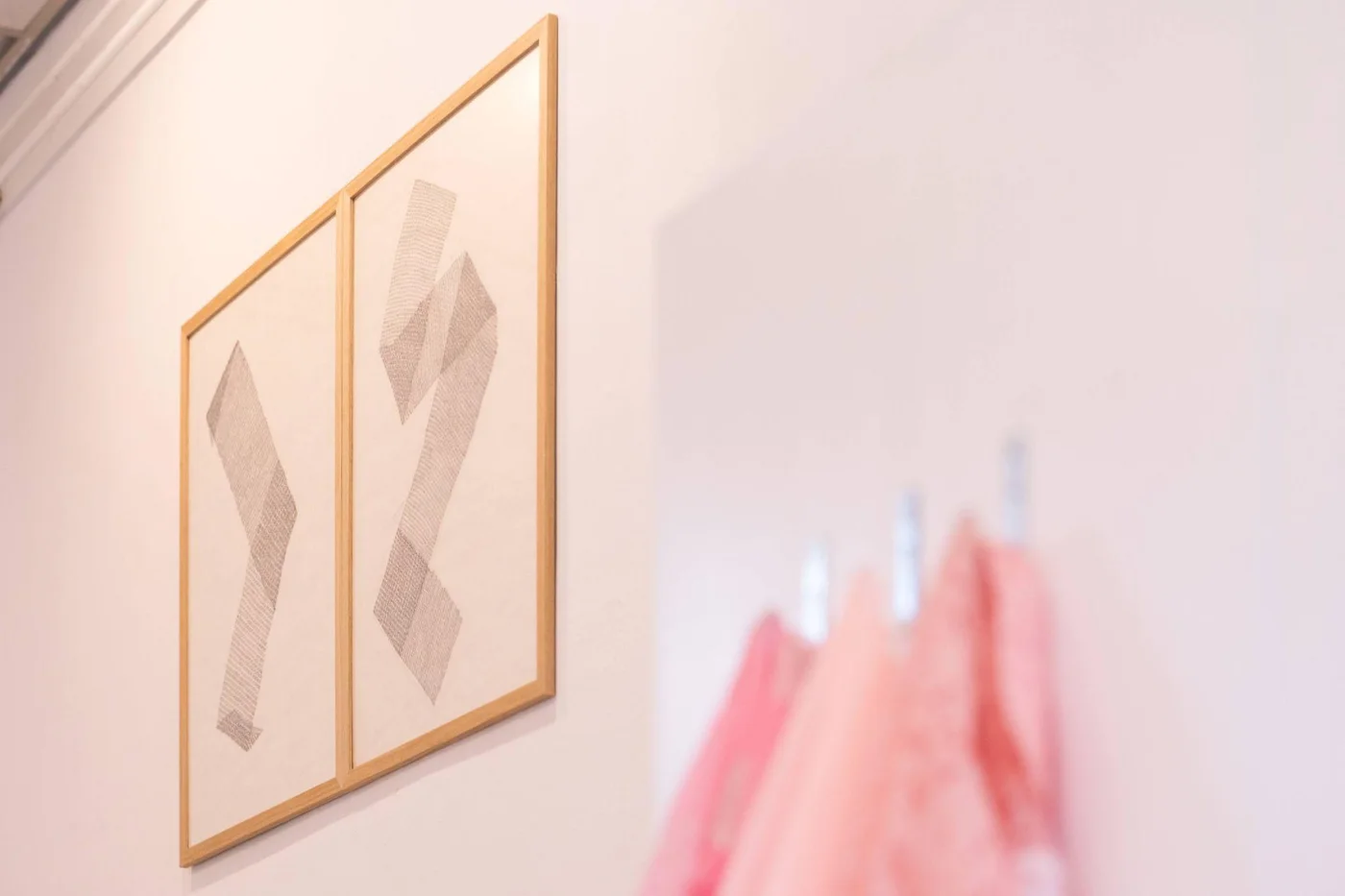
This became an important part of Threads of Timeless Tales, my graduation project at the Royal Academy of Art, The Hague. Rather than approaching mythology simply as a collection of ancient stories, I was interested in the way these narratives continue to carry questions about women, creativity, power and representation.
One of the most significant figures in this research was Arachne. In the myth, Arachne is an exceptionally skilled weaver who challenges Athena and ultimately suffers for her refusal to submit to the goddess's authority. Her tapestry depicts the transgressions of the gods, turning her textile work into a form of visual testimony. In my research, the story became particularly compelling because weaving is not merely an attribute of Arachne: it is the means through which she demonstrates her artistic ability and communicates something that cannot easily be expressed otherwise.
Philomela offered a different but equally powerful relationship between textile and voice. After being violently silenced, she communicates her experience through embroidery. The tapestry becomes a way of telling what she has been prevented from saying verbally. The act of stitching therefore becomes an act of communication, allowing the story to exist materially even when her spoken voice has been taken from her.
These stories interested me because they complicate the idea of textile as something passive or purely decorative. Arachne's weaving is a challenge; Philomela's embroidery becomes testimony. In both narratives, textile becomes a language.
This relationship between making and speaking also connects with my own introduction to textiles. I learned embroidery, crochet and knitting through my grandmother in Greece, within the context of everyday life rather than an art institution. Later, when I began researching the histories surrounding these practices, I encountered the much larger cultural structures attached to them: women's domestic labour, inherited techniques, social expectations and the ways in which textile-making has historically been positioned in relation to fine art.
My interest in mythology therefore developed alongside an interest in these histories. The stories of Arachne and Philomela are ancient, but the questions they raise about women's creativity, labour and visibility have continued to appear in different forms.
I am drawn to the fact that these myths have survived through repetition. They have been retold, rewritten and interpreted across centuries, much like textile patterns and techniques are passed from one generation to another. Something changes with each retelling, while something remains.
This is also part of what attracted me to the title Threads of Timeless Tales. The thread is both material and metaphorical: it connects different periods, different women and different forms of storytelling. The stories are not frozen in the past. They continue to enter the present through the materials, images and interpretations that carry them forward.
My engagement with mythology is therefore not an attempt to illustrate ancient stories. I am more interested in the traces they leave behind, and in the ways they can enter a contemporary textile practice. Through material, repetition and transformation, these old narratives become part of an ongoing conversation about whose stories are preserved, how they are communicated, and what a thread can still tell us.